RiCON – Airway Safety

Home / Critical Care / Professionals / RiCON – Airway Safety

This group looks at improvements that can be made in airway safety in critical care. A number of audits are conducted throughout the year to ensure that all units are adhering to recommended guidance and are working to improve airway safety.

A sub group of this group is the SAMI group: Safer Airway Management in Intensive care who have devised a one day course bringing together members of the multidisciplinary team and enacting airway scenarios with the aim to raise awareness of airway situations and strategies for managing them. Please click the link below to find all the information required to run a SAMI course at your hospital

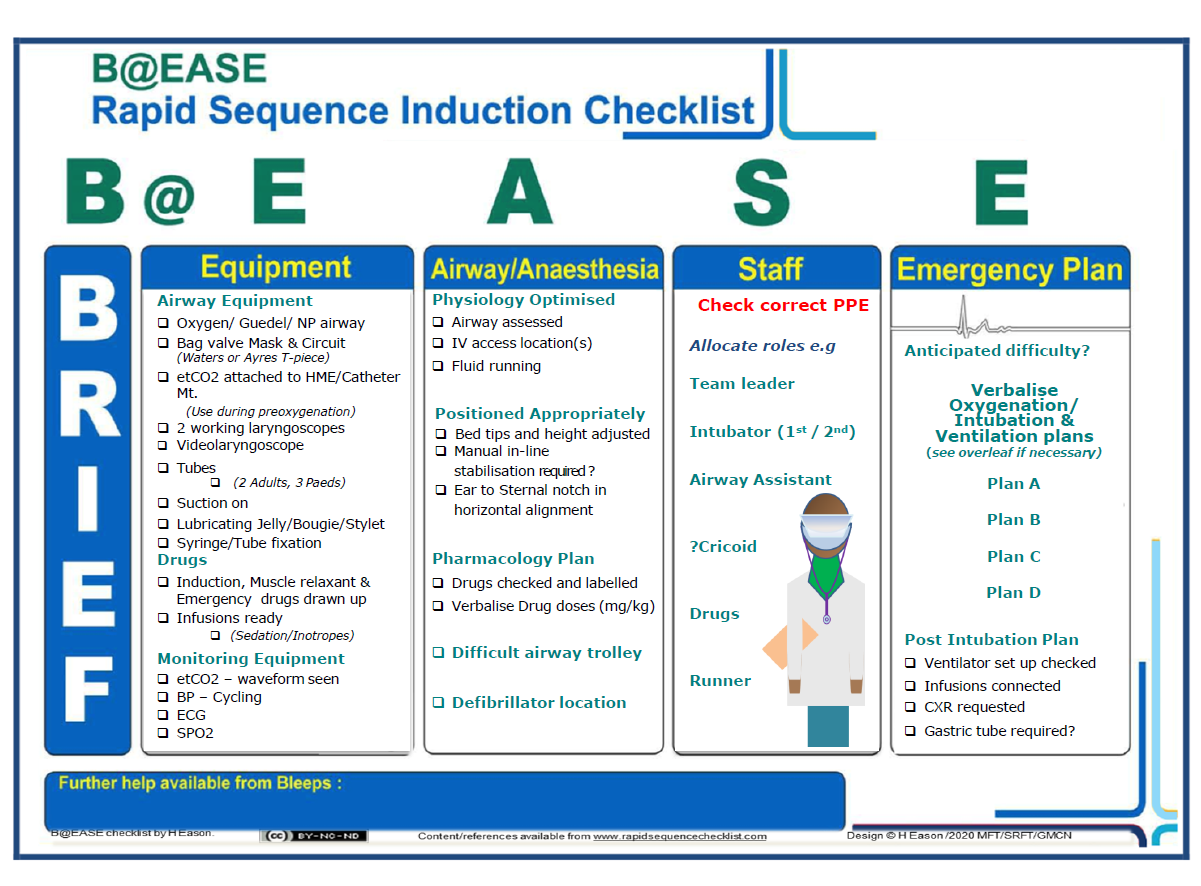
The group has also developed an aide-memoir checklist (B@EASE checklist) to be used prior to intubation to ensure that all equipment, staffing, role allocation and an emergency plan is known to the team.


This group brings together medical, nursing and allied health professionals from critical care units across Greater Manchester. Working as part of the Greater Manchester Critical Care Network, the group provides a collaborative forum to share learning, review variation in practice and develop practical resources that support safe, consistent airway and ventilation care.

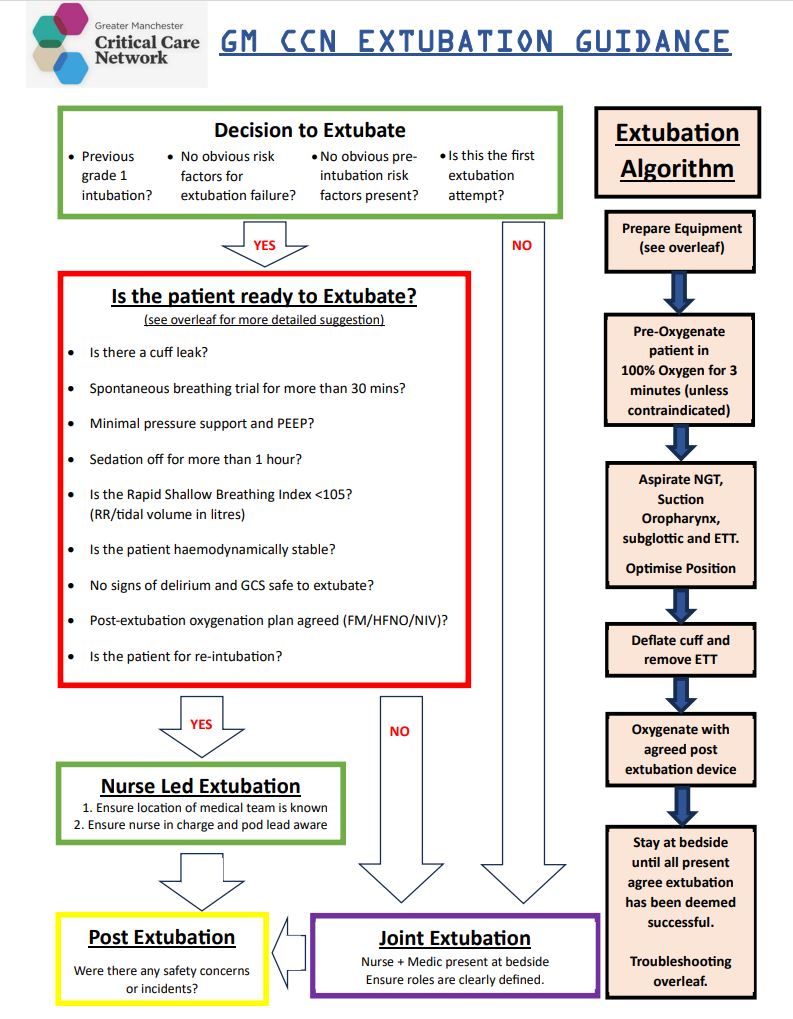
Current work has a strong focus on airway safety throughout the patient pathway. This includes promoting structured preparation, clear team roles and effective communication before intubation and extubation; supporting reliable use of safety checklists; and sharing learning from difficult or notable airway events.

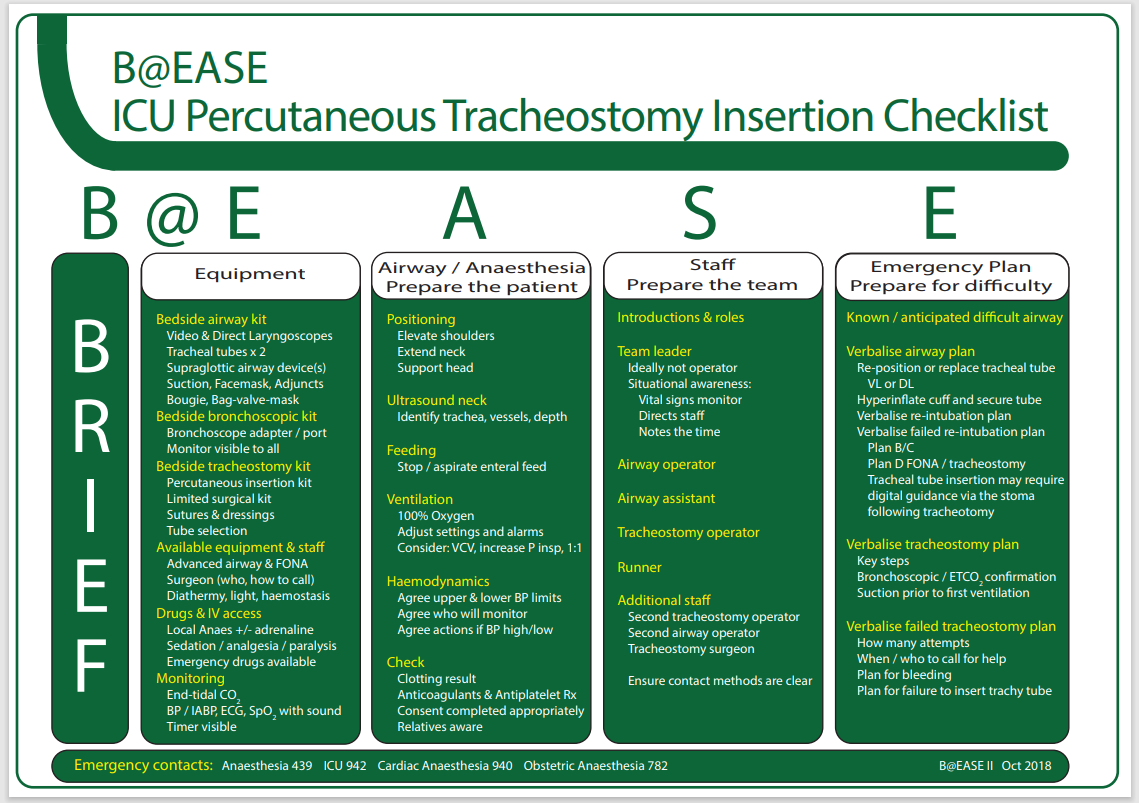
The group is also working to improve tracheostomy safety by reviewing variation in insertion and post-critical care pathways, strengthening recognition and emergency management of tracheostomy bleeding, and supporting appropriate escalation to experienced airway teams. Further work includes monitoring the safety of airway equipment and endotracheal tube securement devices, reviewing mechanical ventilation practice and education, and developing practical resources that can be adapted locally. Through shared learning, audit and quality improvement, the group aims to reduce avoidable harm and improve outcomes for critically ill patients.


Next meeting date: TBC